
If you are considering ending your marriage, you may be wondering, how long do you have to be separated before divorce in California? In California, there is no specific amount of time that spouses must live separately before filing for divorce. However, there are still important timelines and legal requirements that can lengthen the duration of the process.
For California residents, understanding how separation laws and court timelines work can help decrease uncertainty and enable better planning during this already stressful time.
Is Separation Required Before Divorce in California?
Unlike some states, California does not require couples to be separated prior to filing. Spouses may file for divorce even if they are still sharing a residence, as long as the marriage has been irreparably broken down.
That said, some couples choose to separate before filing. Living apart may help establish financial independence, reduce conflict, or provide clarity before moving ahead with divorce proceedings in California family courts.
Separation can sometimes affect practical aspects of a divorce, such as how finances are handled or how parenting responsibilities are divided during the process. For example, couples who are separated may establish temporary arrangements for child custody or financial support while their case is pending. These arrangements can later influence negotiations or court decisions if disputes arise.
Understanding California’s Six-Month Waiting Period
Although separation is not required, California does impose a mandatory six-month waiting period before a divorce can be finalized, under California Family Code § 2339. The waiting period begins on the date the divorce papers are served to the other spouse.
This waiting period applies to all divorces in California, even in cases where both parties agree to all terms. While the court process may move forward during this time, the final judgment cannot be entered until the six months have elapsed.
During the waiting period, the divorce case can still move forward in other ways. Spouses may exchange financial disclosures, negotiate settlement terms, or request temporary court property. These steps can help address immediate concerns while the case is pending.
For many couples, understanding what can and cannot happen during this time helps reduce frustration and manage expectations. While the waiting period may feel long, it is intended to provide structure and consistency in how divorce cases are handled throughout California.
Legal Separation vs. Divorce Under California Law
In fiscal year 2023-2024, there were 108,403 marital filings in California Superior Courts, including legal separations and divorces. Legal separation allows spouses to live apart and resolve issues such as property division, child custody, and support without officially ending the marriage. Some California residents choose legal separation for personal, financial, or religious reasons.
However, legal separation is not a necessary step before divorce. Many spouses choose to file for divorce directly rather than seeking a legal separation.
Factors That Can Affect How Long a Divorce Takes
Several factors affect the length of the divorce process in California. Disagreements over child custody, property division, or support can extend the timeline. The complexity of marital assets and the cooperation of both parties during the process can also affect the pace of a divorce as it advances through the court system.
Even small procedural issues, such as missed deadlines or incomplete disclosures, can add time to a divorce case if they require court correction. Having legal guidance may help reduce delays and keep the process moving forward more efficiently.
Why Hire a Divorce Lawyer in California?
Divorce involves more than filing paperwork. California divorce cases often include nuanced issues such as property division, child custody, child support, and alimony. When you hire a divorce lawyer, you can receive guidance specific to California law and court proceedings.
Working with an experienced local attorney can help ensure documents are filed properly, deadlines are met, and agreements are structured in a way that protects your interests throughout the divorce process.
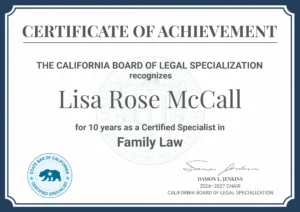
At the Law Offices of Lisa R. McCall, individuals across California work with a divorce attorney who focuses on navigating state law, court timelines, and practical next steps throughout the divorce process.
FAQs
Q: Can You Be Considered Separated While Living in the Same Home in California?
A: Yes, in some cases, spouses can be considered separated despite living in the same home in California. Courts may evaluate factors such as whether the spouses maintain separate finances, occupy separate bedrooms, and present themselves publicly as separated. Determining whether a separation has occurred depends on the specific facts of each situation.
Q: Does Separation Affect Property or Debt Division in California?
A: Separation can affect how property and debts are classified and divided during a California divorce. In general, assets acquired and debts incurred after the date of separation may be treated as separate rather than community property. Because determining the separation date can be complex, legal guidance may be helpful in disputed cases.
Q: How Can I Get a Quick Divorce in California?
A: You can’t get a divorce quicker than six months in California. However, while the six-month waiting period cannot be shortened, other parts of the divorce process may move more quickly if both spouses cooperate. Reaching agreements early on property division, custody, and support can reduce delays and avoid lengthy litigation. Properly completing and filing required documents can also help avoid setbacks.
Q: Is It Better to Legally Separate Before Divorce in California?
A: Whether it is better to legally separate before divorce depends on individual circumstances. Legal separation can allow spouses to address important issues without formally filing to end the marriage, which may be helpful for certain personal or financial reasons. In some cases, separation allows couples to decide if they want to get a divorce or if reconciliation is possible. For those who are unsure about divorce, separation may be beneficial.
Contact Lisa R. McCall
If you are considering divorce, understanding California’s legal requirements can help you make informed decisions. Because divorce procedures are governed by state law, working within California’s specific rules and timelines is essential for keeping your case on track.
At the Law Offices of Lisa R. McCall, individuals across California can receive guidance focused on navigating the divorce process and understanding their legal options. Speaking with a divorce attorney can help clarify timelines, requirements, and next steps under California law. Contact our law firm today to discuss your legal options.